From Kansas to the world: KU’s WHO collaboration works to promote global health

LAWRENCE — When a disease outbreak occurs, such as COVID-19 or the Ebola virus, the World Health Organization (WHO) works with local and national partners to contain the threat. Leaders need more than medicine to slow the spread: They need tools to organize, respond and adapt in real time.
Such tools are at the heart of a partnership between the WHO and its designated Collaborating Centre for Community Health and Development at the University of Kansas.
The KU Collaborating Centre works to monitor and evaluate efforts and to build capacity for collaborative action, with partners in organizations and communities around the world. The Center for Community Health and Development (CCHD), based at the KU Life Span Institute, has been designated a WHO Collaborating Centre for more than 20 years.
In fall 2025, the WHO officially renewed the KU center’s designation for the next four years in a letter to KU Chancellor Douglas A. Girod. The KU agreement won’t be affected by the Trump administration’s decision to part ways with WHO, as reported Jan. 22.
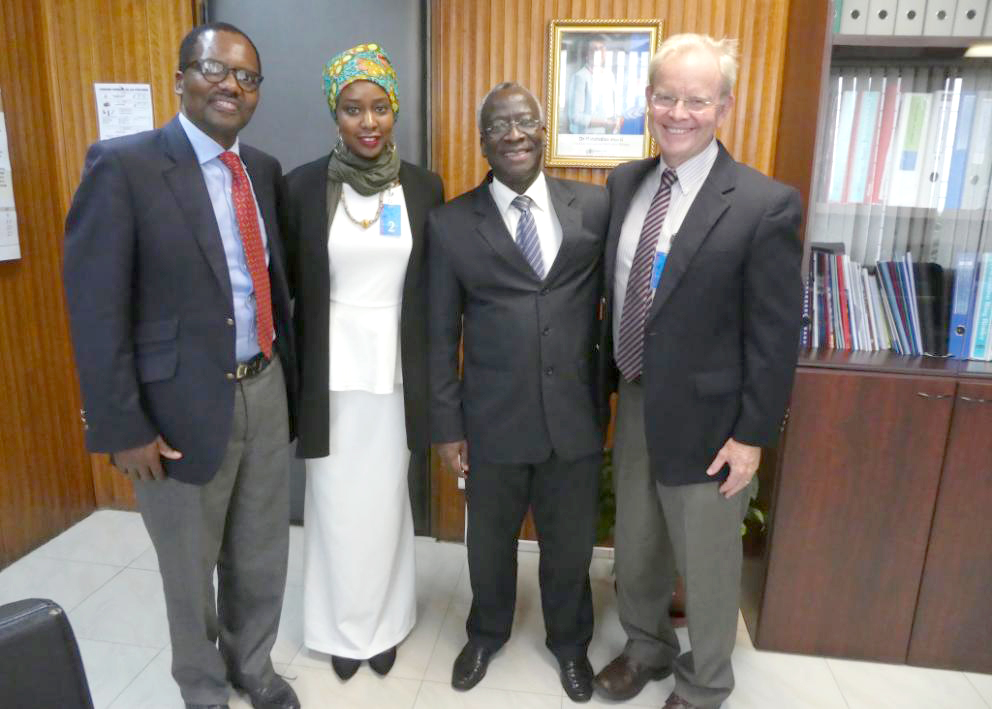
Stephen Fawcett, senior adviser of the CCHD and co-director of the WHO Collaborating Centre, said involvement as a WHO Collaborating Centre is part of KU’s commitment to having an impact in the world “broader than we can have on our own.”
As a WHO Collaborating Centre, CCHD works closely with WHO headquarters in Geneva and with its regional offices, such as those in Africa and the Americas, to strengthen collaborative action for healthier cities and communities. The result is a stronger network of partners working to overcome barriers to health and well-being for all people.
“KU’s participation creates an opportunity to make an impact while learning from partners across the globe,” Fawcett said. “For example, in our collaborative project with WHO to strengthen community engagement, we learn from the deep and diverse experiences of others working in different parts of the world.”
From Kansas to the world and back again
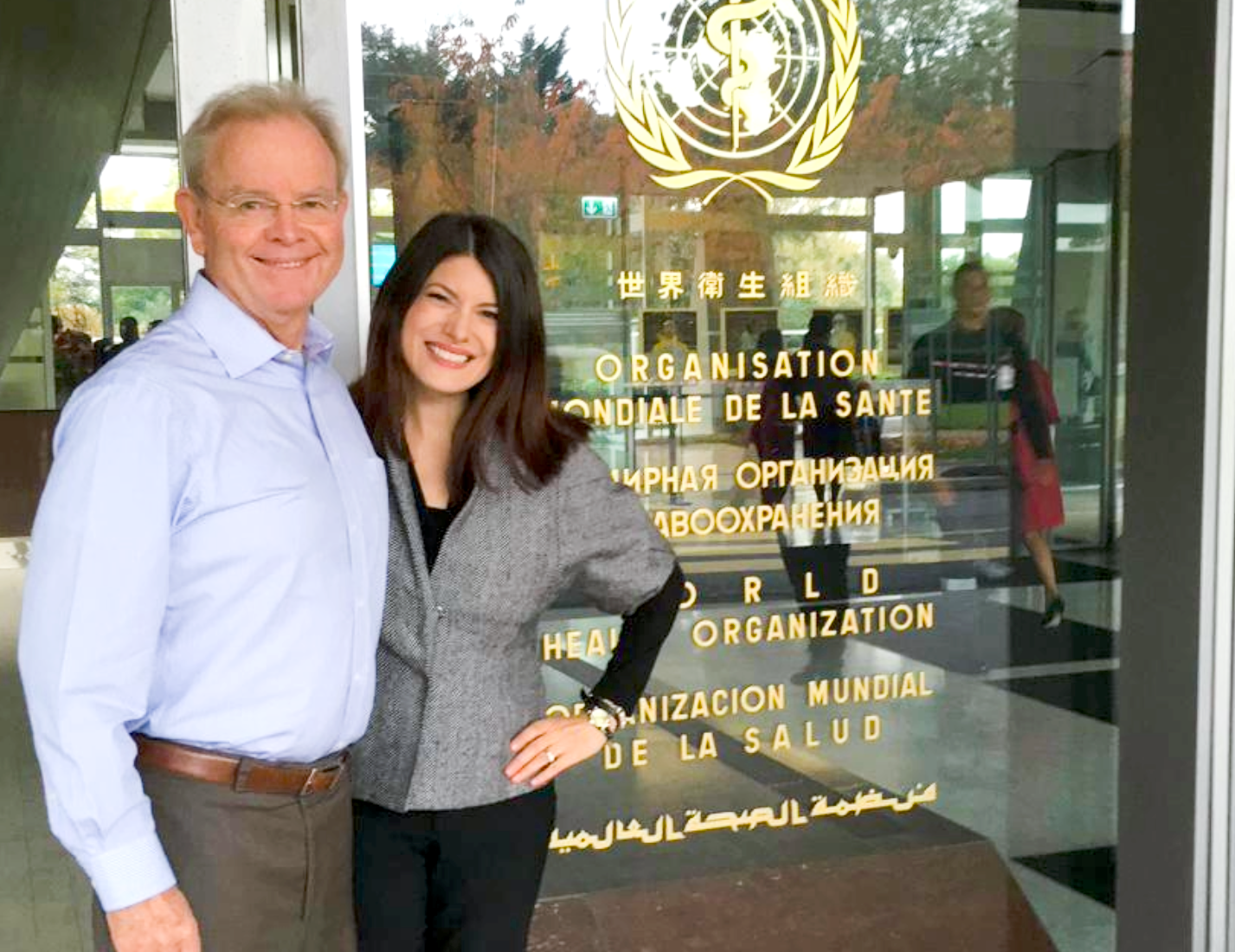
Christina Holt, co-director of the WHO Centre and assistant director of the CCHD, said, “The work at CCHD is based on our commitment to help understand and improve how collaborative action affects change and improvement in communities, locally and globally. As CCHD researchers, we work to expand the tools and evidence base for people to work together so that all families and communities can thrive.”
Some may wonder why people in Kansas should care about viral outbreaks in Liberia, for example.
“Viruses don't understand borders,” said Reilly Fitzpatrick, director of training and technical assistance at CCHD. "It’s in our interest to learn with and from countries’ responses to disease outbreaks.”
Strategic tools that promote health and well-being abroad can also help Kansans.
“KU’s development of a WHO Community Engagement Toolkit, in collaboration with WHO headquarters and country partners, has informed a new Engaged KU Toolkit in development for the KU Office of Community Impact,” Holt said.
Tools for change
The techniques CCHD develops for community engagement are applications of the Community Tool Box, a long-running project that began decades ago when researchers at KU looked at the variety of challenges across the world and asked themselves, “How can we help?”
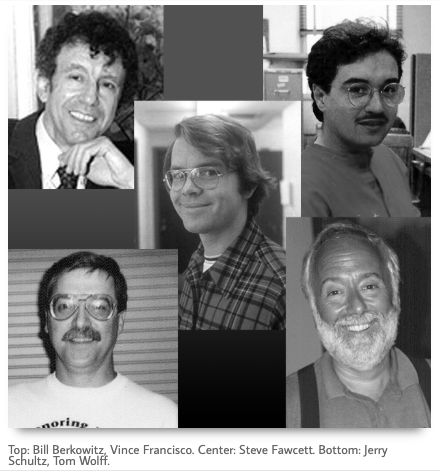
The answer, Fawcett said, was, “We can and should create an open-source collection of tools for community building and make them freely available to people and communities throughout the world.”
Today, the Community Tool Box is the world's largest resource for building capacity for community health and development. Used in nearly 300 countries, the website now has more than 7,000 pages of content accessed by millions of people annually.
“It is an honor to support people we’ll never meet in places we’ll never be,” said Holt, describing the reach of the Community Tool Box.
"Things go out from KU and Kansas. Things come back. The WHO Community Engagement Toolkit — and KU’s Community Tool Box — are concrete examples of learnings coming full circle,” Holt said.